Mitochondrial Panel
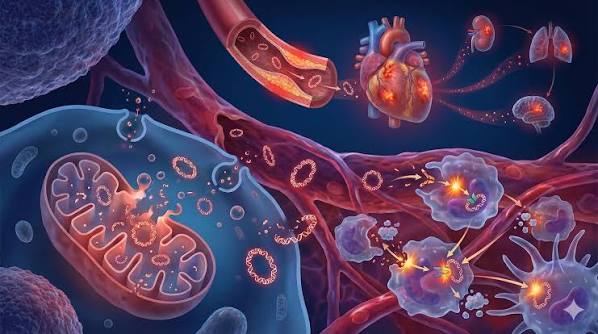
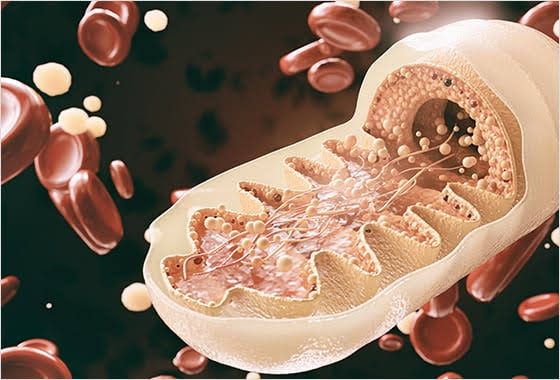
The Mitochondrial Diseases Genetics Panel is a targeted Next-Generation Sequencing (NGS) assay engineered to comprehensively profile germline mutations across nuclear and mitochondrial genes governing oxidative phosphorylation (OXPHOS), mitochondrial DNA maintenance, replication, and intramitochondrial transport. Mitochondrial disorders arise from genetic defects in either nuclear DNA (nDNA) or mitochondrial DNA (mtDNA). Because mitochondria fuel high-energy demand organs, these disorders routinely present with multi-systemic, highly heterogeneous clinical manifestations involving the central nervous system, skeletal muscle, heart, eyes, and liver. This panel resolves diagnostic ambiguity in complex multi-organ phenotypes, enabling accurate molecular diagnosis, prognostic evaluation, complication prevention, and precise reproductive risk assessment.
Key Features & Advantages
- Comprehensive Dual-Genomic Profiling: Evaluates pathogenic variants across both nuclear genes and the mitochondrial genome (mtDNA) in a single integrated diagnostic workflow.
- Resolves Clinical Heterogeneity: Navigates marked phenotypic overlap and locus heterogeneity where distinct genetic defects cause identical clinical syndromes.
- Reduces Need for Invasive Tissue Biopsies: Significantly decreases reliance on invasive skeletal muscle biopsies and specialized biochemical respiratory chain complex assays.
- Definitive Inheritance & Risk Stratification: Delineates whether the defect is maternal (mtDNA), autosomal recessive, autosomal dominant, or X-linked, guiding cascade relative testing and reproductive options such as PGT-M.
Mitochondrial NGS Panel vs. Conventional Diagnostics
| Feature | Mitochondrial Genetics Panel (NGS) | Standard Diagnostics (Lactate/Pyruvate, Muscle Biopsy, MRI) |
| Diagnostic Scope | Nuclear and mitochondrial genes encoding OXPHOS complexes and transport proteins | Circulating lactate accumulation, muscle ragged-red fibers, and brain lesions |
| Etiological Resolution | High (Pinpoints the exact gene mutation disrupting bioenergetics) | Phenotypic (Detects cellular dysfunction or tissue damage, not the root gene) |
| Invasiveness & Risk | Non-invasive (Peripheral blood or saliva sample) | High (Muscle tissue biopsy requires surgical intervention and regional anesthesia) |
| Inheritance Mapping | Absolute (Distinguishes maternal mtDNA vs. Mendelian nuclear inheritance) | None (Inheritance patterns cannot be resolved via tissue morphology) |
| Pre-Symptomatic Detection | Yes (Identifies pathogenic variant carriers prior to systemic organ failure) | No (Detects alterations only after structural or metabolic decompensation) |
Key Applications
- MELAS & MERRF Syndromes: Mitochondrial Encephalomyopathy, Lactic Acidosis, and Stroke-like episodes (MELAS) and Myoclonic Epilepsy with Ragged Red Fibers (MERRF).
- Leigh Syndrome & Subacute Necrotizing Encephalomyelopathy: Progressive neurodegenerative disorders affecting the brainstem and basal ganglia in early childhood.
- Kearns-Sayre Syndrome (KSS) & CPEO: Chronic Progressive External Ophthalmoplegia (CPEO), ptosis, and pigmentary retinopathy.
- Leber Hereditary Optic Neuropathy (LHON): Maternally inherited optic neuropathies presenting with acute or subacute painless central vision loss.
- Mitochondrial DNA Depletion & MNGIE: Mitochondrial Neurogastrointestinal Encephalomyopathy (MNGIE) and nuclear gene-driven mtDNA depletion syndromes.
The Nucleus Genetics Advantage: Combining ultra-deep NGS target enrichment panels covering both nuclear and mitochondrial genomes, advanced bioinformatic pipelines, and multidisciplinary curation by medical geneticists and neuro-metabolic specialists, we transform complex bioenergetic genomic data into actionable clinical insights.
Get Information About This Service
Our expert team is ready to answer your questions and offer tailored solutions.
Contact Form →